Becoming a Virtual Medical Scribe in 2026
Healthcare documentation has changed dramatically over the last decade. Electronic health records, compliance requirements, and increasing patient volume have created a significant documentation burden for physicians.
To solve this challenge, healthcare providers increasingly rely on virtual medical scribes—remote professionals who assist doctors by documenting patient encounters and updating medical records in real time.
Because of the growing demand for remote healthcare support roles, many professionals are exploring how to become a virtual medical scribe and build a career in remote medical documentation.
This guide explains the qualifications, training paths, certifications, and job opportunities available in the field of virtual scribing.
What Does a Virtual Medical Scribe Do?
Before exploring how to start this career, it’s important to understand the role.
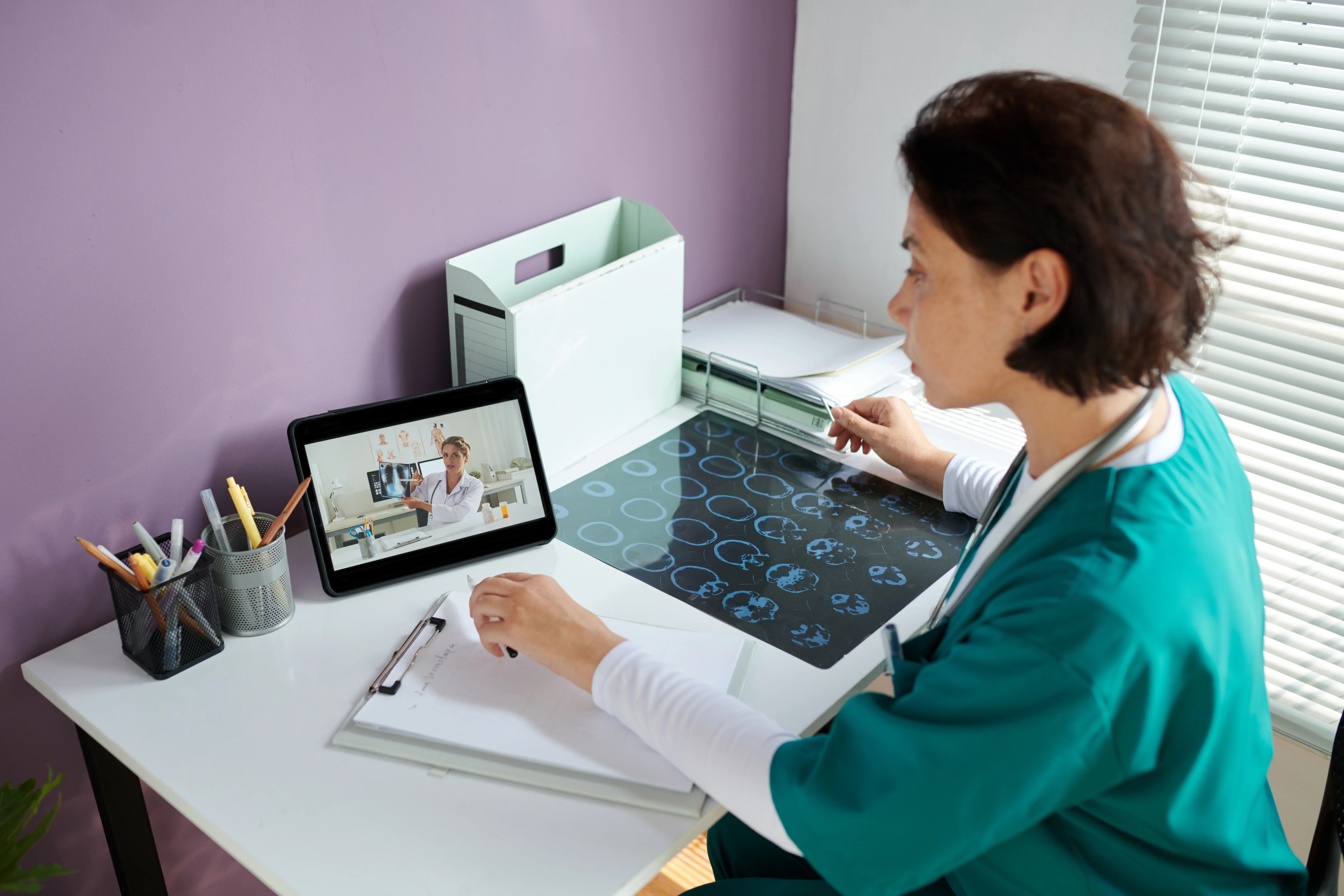
A virtual medical scribe is a remote documentation specialist who listens to patient-physician interactions and records clinical notes directly in the electronic health record system.
Common responsibilities include:
- Documenting patient history and symptoms
- Recording examination findings
- Updating EHR notes during patient visits
- Documenting diagnoses and treatment plans
- Managing chart preparation before appointments
- Recording physician orders and referrals
By handling these tasks, virtual scribes help physicians focus more on patient care rather than documentation.
Why Virtual Scribing Is a Growing Career
Healthcare providers increasingly adopt remote staffing solutions to improve efficiency.
Key reasons virtual scribing is growing include:
Increased physician documentation workload
Doctors often spend hours completing medical charts after clinic hours.
Expansion of telemedicine
Remote consultations make remote scribing easier and more scalable.
Demand for healthcare administrative support
Hospitals and clinics rely on trained documentation specialists to maintain accurate medical records.
Flexible remote career opportunities
Many remote scribing roles allow professionals to work from home.

Step-by-Step: How to Become a Virtual Medical Scribe
Starting a career in remote scribing requires a combination of training, technical skills, and healthcare knowledge.
Step 1: Complete Basic Education Requirements
Most employers require candidates to have at least:
- A high school diploma or GED
- Strong English communication skills
- Basic computer literacy
Some employers prefer candidates with healthcare or science backgrounds, but a formal degree is not always required.
Step 2: Learn Medical Terminology and Clinical Concepts
Medical scribes must understand healthcare terminology and clinical documentation formats.
Key subjects include:
- Medical terminology
- Anatomy and physiology
- Clinical documentation formats
- Patient history documentation
- Pharmacology basics
Training in these areas helps scribes accurately document physician notes.
Step 3: Develop Typing and Listening Skills
Remote scribes must type quickly and accurately while listening to clinical conversations.
Typical requirements include:
- Typing speed of 40–70 words per minute
- Strong listening comprehension
- Ability to summarize conversations quickly
These skills help scribes maintain real-time documentation during patient encounters.
Step 4: Complete Medical Scribe Certification
While not always mandatory, completing a medical scribe certification significantly improves hiring opportunities.
Certification programs teach:
- Electronic health record (EHR) workflows
- Medical documentation standards
- HIPAA compliance
- Clinical charting techniques
These programs typically take 1–6 months to complete, depending on the training format.
Step 5: Enroll in Medical Scribe Paid Training Programs
Some organizations offer medical scribe paid training, where candidates learn documentation workflows while working.
Training may include:
- Physician shadowing (virtual or remote)
- Clinical documentation practice
- EHR system training
- Quality assurance reviews
Many healthcare staffing companies provide onboarding training for new scribes.
Step 6: Apply for Remote Medical Scribe Jobs
After completing training or certification, candidates can apply for remote scribing roles.
Common employers include:
- Healthcare staffing agencies
- Hospitals and clinics
- Telemedicine providers
- Virtual assistant companies
- Medical documentation service providers
Many remote scribing roles offer flexible schedules, including part-time and full-time options.
Skills Required to Become a Virtual Medical Scribe
Successful scribes typically develop a combination of healthcare knowledge and technical skills.
Essential skills include:
Medical knowledge
Understanding medical terminology and clinical procedures.
Fast and accurate typing
Real-time documentation requires strong typing speed.
EHR system proficiency
Most scribes work within electronic medical record systems.
Attention to detail
Clinical documentation must be precise and compliant.
Communication skills
Scribes must clearly understand physician instructions and medical terminology.
Medical Scribe Certification Options
Several certification programs help candidates enter the field.
Popular credentials include:
- Certified Medical Scribe Professional (CMSP)
- Medical Scribe Certification Exam (MSCE)
- Online medical scribe training programs
These certifications validate skills in medical documentation and healthcare compliance.
Certification also helps candidates stand out when applying for remote scribing roles.
Medical Scribe Paid Training Programs
Many companies offer paid medical scribe training to new hires.
These programs usually include:
- Clinical documentation training
- Physician workflow education
- EHR software training
- HIPAA compliance education
- Quality review sessions
Paid training allows new scribes to gain practical experience before handling real patient documentation.
Virtual Medical Scribe Salary
Salary varies depending on experience, location, and employer.
Typical salary ranges include:
- Entry-level scribes: $10–$15 per hour
- Mid-level scribes: $15–$24 per hour
- Experienced scribes: $24–$30 per hour
The average hourly pay for virtual medical scribes is around $19 per hour, although experienced professionals may earn more.
Some roles also offer bonuses, performance incentives, or full-time benefits.
Who Should Consider Becoming a Virtual Medical Scribe?
A virtual scribing career is ideal for:
- Pre-medical students
- Healthcare administration professionals
- Medical transcriptionists
- Remote healthcare workers
- Individuals interested in healthcare careers
Many professionals use virtual scribing as a stepping stone toward medical school or healthcare careers.
The Future of Virtual Scribing Careers
Healthcare providers increasingly rely on digital documentation systems and telemedicine.
As a result, remote healthcare roles such as virtual medical scribes are expected to continue growing.
Remote scribing provides several long-term career advantages:
- Flexible remote work opportunities
- Exposure to clinical workflows
- Valuable healthcare experience
- Career advancement in healthcare administration
This makes virtual scribing one of the fastest-growing remote healthcare support careers.
FAQs About Becoming a Virtual Medical Scribe
How long does it take to become a virtual medical scribe?
Most people can become job-ready within 1–6 months after completing training or certification programs that teach medical terminology, EHR documentation, and clinical workflows.
Do you need medical scribe certification to work remotely?
Certification is not always required, but completing a medical scribe certification program significantly improves hiring chances and helps candidates learn essential documentation and compliance skills.
Are there medical scribe paid training programs?
Yes. Many healthcare staffing companies and scribe service providers offer paid training programs that teach documentation workflows, EHR systems, and clinical note formatting before assigning real patient documentation tasks.
What equipment is required for remote scribing jobs?
Most remote scribing jobs require a reliable computer, high-speed internet connection, headset, and secure workspace to maintain patient privacy and support clinical documentation workflows.
Can virtual medical scribes work part-time?
Yes. Many employers offer flexible schedules, including part-time, full-time, and shift-based roles, making virtual scribing a flexible remote healthcare career.
Final Thoughts
As healthcare systems continue to digitize patient records, the demand for remote documentation specialists will continue to grow.
Learning how to become a virtual medical scribe, completing medical scribe certification, and gaining experience through medical scribe paid training can open doors to a rewarding career in healthcare administration.
For professionals interested in healthcare but seeking remote work opportunities, virtual scribing provides a flexible and valuable career path.
Published on 18 Mar 2026
Author: Noor Ul Ain Liaqat