Why is auto insurance going up?
If you’ve opened your latest auto insurance bill and noticed it’s higher than before, you’re not alone and you’re definitely not imagining things. Rates have been climbing across the country. In fact, auto insurance premiums jumped by 12% in 2023, another
16.5% in 2024, and an additional 7.5% in 2025.
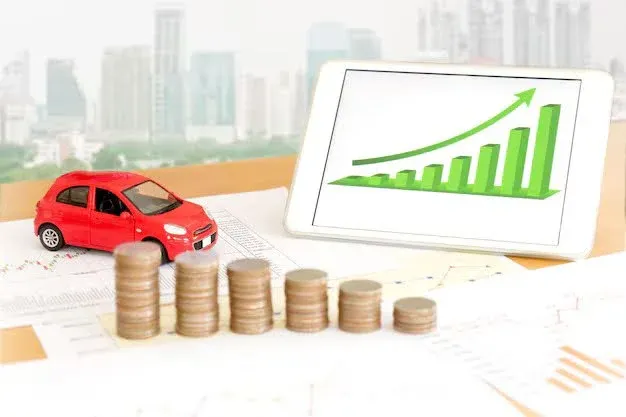
So what is causing all these hikes? It appears, much more than just insurers attempting to charge higher prices is going on behind the scenes. From supply problems and inflation to bad weather and riskier motorists, the excuses are piling up quickly.
What's Driving the Rate Hikes?
Repairs Are More Expensive Than Ever
New cars aren't merely metal and wheels anymore, they're also rolling technology centers filled with cameras, sensors, and costly materials. When those components fail or are damaged, the repairs become costly. Even a low-speed collision can cost thousands of dollars in parts and repairs. Of course, insurers are moderating premiums based on those higher repair estimates.
Inflation and Supply Chain Woes
Increased inflation has touched almost every aspect of the economy, and the automotive sector is no different. Replacement parts, rental vehicles, towing services and even labor are all higher. In addition to that, supply chain disruptions, many of which remain in the aftermath of the pandemic, result in parts taking longer to reach and costing more when they do. All these added costs ultimately get passed on to policyholders.
More Severe Weather Means More Claims
Storms are intensifying and becoming more common, and that directly affects car insurance. It's hail, flooding, or hurricane damage insurance companies are experiencing more weather-related claims than ever.

If you reside in an area that is more likely to experience natural disasters, your ZIP code by itself can cause your rate to increase even if you've never made a claim.
Drivers Are Taking More Risks
Driving behaviors have shifted over the last two years. Despite the decline in traffic at one point during the pandemic, rates of dangerous driving—such as speeding, texting while driving, and driving under the influence—have increased. Not only are accidents occurring more frequently, but the severity of accidents is higher, which increases the insurance claim cost.
Tariffs and Import Costs
Another behind-the-scenes player: tariffs on foreign-made cars and auto parts. The changes in trade have increased the price of repairing or replacing wrecked cars, particularly ones with foreign parts. Analysts predict these tariffs will increase full-coverage prices by 8% or higher in certain areas, depending on the vehicle and location.
Even Your ZIP Code Plays a Role
Here's something that catches many drivers off guard: even if you have a spotless record, your premium can increase based on where you reside. Companies consider regional statistics such as accident rates, theft rates for cars, and weather-related claims. So if your location experiences an increase in any of these, your premium can increase even if you have a pristine driving history.
What If It Is Personal?
Of course, sometimes rate increases have more to do with you. If you’ve recently gotten a speeding ticket, been in an accident, or added a younger or inexperienced driver to your policy, that could be causing the spike. Even something like upgrading to a newer, more expensive car could mean higher premiums due to the increased cost to repair or replace it.

One traffic ticket will increase your premium by hundreds every year. More significant violations, such as a DUI or fault accident, will boost your rate by $1,000 or more annually.
Are Rate Increases Slowing Down?
There is some bad news. The rates of rises seem to be slowing down. Although 2025's average rise of 7.5% is still high, it is lower than the increase in 2024. However, if inflation gets under control, tariffs fall, or repair bills level out, we might see slow rises in subsequent years.
How You Can Take Control
The silver lining? You're not entirely at the mercy of these increasing rates. There are steps you can take to control your expenses without compromising coverage.
One of the simplest things you can do is shop around. A lot of drivers have no idea they're paying too much. A recent study revealed that almost half of drivers who received quotes from another company ended up switching and saved $460 per year on average.
You might also consider adjusting your deductible. If you’re in a financial position to handle a higher out-of-pocket cost in the event of a claim, this can lower your monthly premium.
It's also worth checking your coverage every year. If your vehicle is old or paid off, you might not require the same amount of insurance you once needed when your car was new. Also, ensure your address and credit information are up-to-date both can affect your rate in most states.
Don't forget to inquire about discounts that may be available. You might qualify for discounts on the basis of your mileage, combining home and auto policies, taking a defensive driving course, or even by having a telematics app that tracks safe driving habits.
The Bottom Line
Increasing auto insurance rates aren't occurring only to you; they're symptomatic of a national trend fueled by economic pressures, costlier cars, weather-related damage, and shifts in driver habits. Even if you've not altered anything, these external forces can still impact your rate.
Yet you do have the power to do something about it. By keeping current, periodically shopping around for quotes, and tailoring your coverage, you can reclaim some control and perhaps discover significant savings.
Published on 3 Sept 2025
Author: Savvital Team