What Is Deductible in Health Insurance?
Health insurance usually includes words that sound like they are from a foreign language. One of the most prevalent and most confusing is "deductible." But understanding what a deductible is and how it operates is vital to comprehending the actual price of your coverage and making wise choices regarding your healthcare.
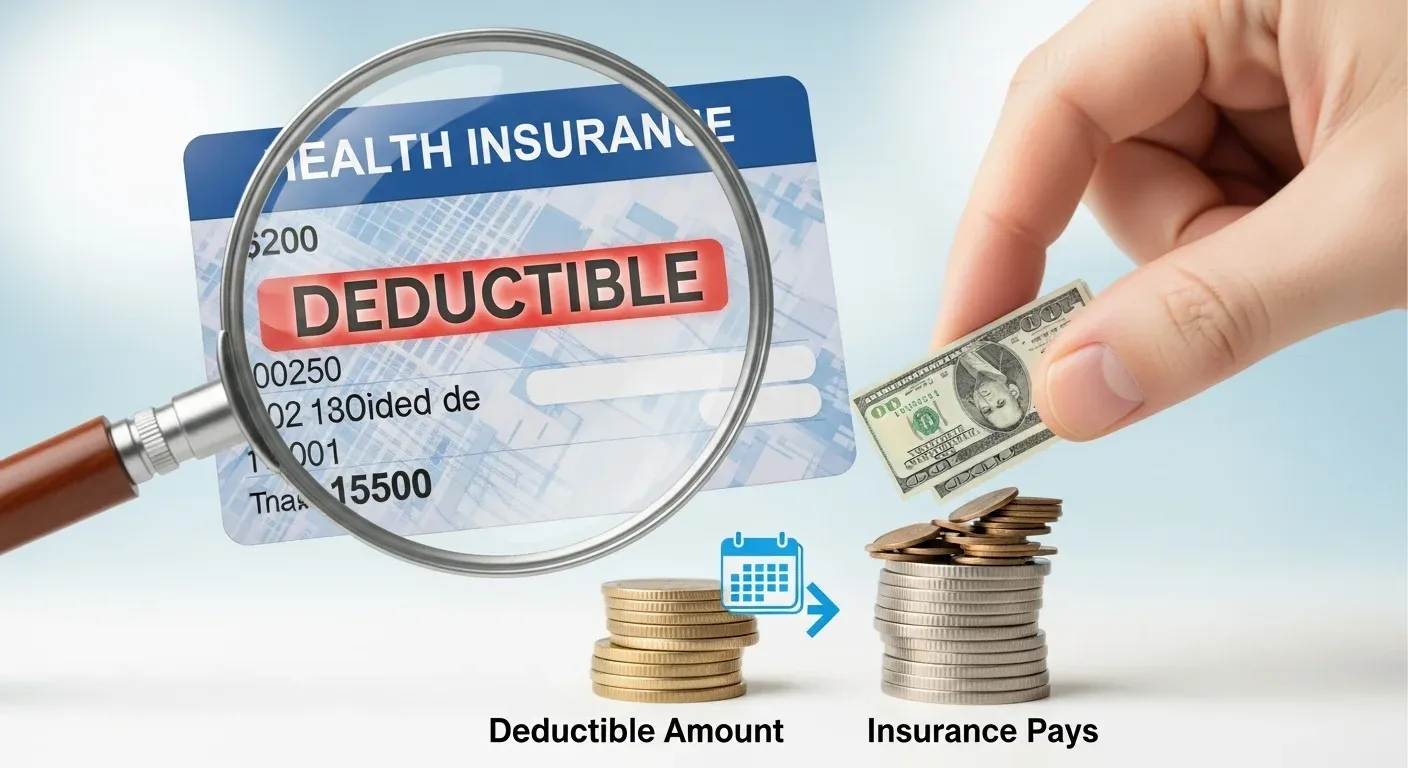
In simple terms, a deductible is the amount you have to pay yourself out of pocket for covered health care before your insurance company starts to pay their share.
How Does a Deductible Work?

Think of your deductible as your entry ticket to your insurance benefits. For example, if your plan has a $1,500 deductible, you’ll be responsible for paying the first $1,500 of your covered medical expenses within a policy year. After you’ve met that amount, your insurance company begins to cover a portion of your costs, often through coinsurance or copayments.
Not all services need you to fulfill your deductible before insurance covers you. Most policies include preventive services like annual physicals, vaccinations, and screenings at no cost to you, even if you have not paid any of your deductible.
Why Deductibles Matter
The deductible you select can have a big impact on your total healthcare expenses. In general, lower deductibles have higher monthly premium payments, and higher deductibles have lower premiums but more out-of-pocket expense before your insurance coverage kicks in.
The correct deductible depends on how you generally use healthcare:
If you visit doctors often or have regular medical needs, a lower deductible could end up costing you less because your insurance will kick in earlier to help cover costs.
If you're typically healthy and only see a doctor occasionally, a higher deductible with lower monthly premiums may be a good choice. Many people combine these plans with a Health Savings Account (HSA), where they can put pre-tax money aside to pay for out-of-pocket costs.
Types of Deductibles

Not every deductible is the same, and knowing why they differ can prevent surprises:
Individual vs. Family Deductibles – Family medical plans usually feature both: a deductible per family member and a family deductible. Coverage starts for any member who reaches their individual deductible, regardless of whether the family limit hasn't been reached.
Embedded Deductibles – Under family plans with embedded deductibles, when an individual meets their personal deductible, they are covered even if the family deductible is not yet met.
Aggregate Deductibles – In aggregate deductibles, the whole family must accumulate the total deductible before anyone has coverage.
It is crucial to know which type of structure your plan has in order to budget your out-of-pocket costs.
Deductible vs. Copay vs. Coinsurance
You frequently get these three words confused, but they refer to different segments of your cost-sharing obligation:
Copay – A set amount you pay for a certain service, like $25 for a physician visit, whether or not you've reached your deductible.
Coinsurance – The amount of covered expenses you pay after you've reached your deductible. Suppose your policy has a 20% coinsurance and you receive a $1,000 bill from the hospital. You'll pay $200 and your insurance pays the other $800.
Knowledge of these words gives you a better understanding of the cost of your medical care.
Finding the Ideal Deductible
Selecting an appropriate deductible involves striking a balance between fixed monthly payments and possible out-of-pocket costs. Take into consideration:
Your average health utilization, do you fill regular prescriptions, see specialists often, or receive ongoing medical therapies?
Your comfort level with expenses – Would you be able to pay a significant surprise bill if you were required to pay your entire deductible?
Premium vs. out-of-pocket trade-off – Do you feel better paying more each month in premiums in exchange for a lower deductible, or would you rather pay less in premiums and plan for potential larger costs?
The best plan is to consider your worst-case scenario. If something serious went wrong, could you comfortably pay the deductible? Selecting a deductible you can comfortably afford brings reassurance.
Why It Pays to Know Your Deductible
Too many consumers select health coverage solely on the basis of monthly premiums and don't consider how deductibles play into their bottom-line costs. A low-premium policy with a high deductible may subject you to thousands in out-of-pocket charges if you find yourself needing immediate care. On the other hand, paying a bit more premium for a lower deductible may pay off over time if you need healthcare services a lot.
Knowing your deductible will also assist you in making better choices regarding when and how you'll use your insurance, particularly if you're near your deductible for the year.
Final Thoughts

Your deductible is not just a figure on your insurance card—it's a key player in how much you'll actually pay for healthcare. By understanding how it operates, the different types of deductibles you can have, and how it plays into your overall budget, you can select a plan that really serves your needs without unwanted surprises.
Need Help Choosing the Right Plan?
If you're not sure what deductible is right for your circumstances, a Savvital advisor can guide you through the choices. Get customised advice and discover coverage that meets your budget and your health care needs.
Published on 24 Sept 2025
Author: Savvital Team