How to Find Cheap Auto Insurance Without Cutting Corners
Introduction
Car insurance is something every driver needs, but let’s be honest it’s not something most of us are thrilled to pay for.
Between the monthly premiums and the fine print, insurance can feel more like a necessary burden than a useful financial tool. But here's the good news: just because car insurance is required doesn’t mean it has to break your budget.
Whether you’re a first-time driver, switching providers, or simply trying to lower your current payments, there are smart, practical ways to find affordable auto insurance without compromising your coverage. No hacks, no tricks, just clear steps that actually work.
Let’s take a closer look at how you can keep more money in your pocket and still stay protected on the road.
Start by Understanding What Influences Your Premium
Before you start comparing insurance quotes, it’s important to understand how insurers calculate your rate. Most drivers are surprised to learn that their premium isn’t just about the car they drive or how often they’re on the road. Insurance companies evaluate several factors to determine how risky or safe you are to insure.
Your driving history plays a major role.

If you’ve had accidents, speeding tickets, or traffic violations, expect to pay more. Similarly, younger drivers especially teens and those in their early twenties often face higher premiums due to limited experience behind the wheel. Gender can even be a factor in some states, with male drivers traditionally paying more than females.
Where you live matters, too.
City dwellers, for example, often pay more than rural drivers because of higher traffic congestion, crime rates, and accident frequency.
Your vehicle itself is another cost driver.
Luxury cars, high-performance vehicles, and newer models typically cost more to repair or replace, which translates to higher premiums.
And in many states, even your credit score can affect how much you pay. A better score often means a better rate.
Comparing Rates Is the Golden Rule
It might sound obvious, but the single most effective way to find cheaper car insurance is to shop around.

Rates can vary wildly from one company to another even for the same driver. What one insurer considers high-risk, another may view as average. That’s why you should never settle for the first quote you receive.
Use reputable comparison websites or consult with a licensed broker who can do the legwork for you. Some insurers offer better deals to students, military personnel, or safe drivers, while others may reward loyalty or low mileage. Take advantage of that variation.
Don’t just look at the price either check the policy terms, coverage limits, and customer service ratings. A slightly more expensive policy with better customer support and claims handling may be worth it in the long run.
Bundling: One of the Easiest Ways to Save
If you already have homeowners or renters insurance, see if you can bundle it with your auto policy.
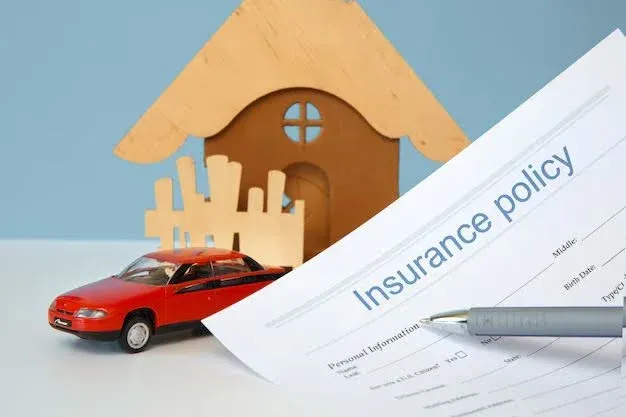
Insurance companies often reward customers who bring them multiple lines of business. You might see anywhere from 5% to 20% shaved off your auto premium just for bundling.
Plus, it simplifies your billing and customer service you’ll only have to deal with one company instead of two or three.
Raise Your Deductible If You Can Afford It
Your deductible is the amount you’ll pay out-of-pocket if you make a claim.

A lower deductible usually means a higher monthly premium, and vice versa. If you’re a careful driver and rarely file claims, increasing your deductible could significantly reduce your premium.
However, this strategy only works if you have enough savings to cover that higher deductible in case of an accident. So be realistic don’t raise it just to lower your bill if it would cause financial strain during an emergency.
Make Sure You’re Taking Advantage of All Available Discounts
Here’s something a lot of drivers overlook: insurers offer dozens of discounts, but you usually have to ask for them. From safe driving and defensive driving courses to low-mileage discounts and student incentives, there’s a wide range of savings opportunities you might qualify for.
Some companies offer discounts for having anti-theft devices or installing telematics apps that monitor your driving habits. Others reward loyalty, good grades, or even your profession nurses, teachers, and military members often get reduced rates.
The takeaway? Ask your insurer for a full list of discounts. You might be surprised by what’s available.
Drive Less, Save More
If you don’t drive much, maybe you work from home, commute by bike, or only use your car on weekends you could benefit from pay-per-mile or low-mileage insurance programs. These plans calculate your rate based on how much you actually drive, not just who you are or where you live.
This is a great option for retirees, remote workers, or anyone with a short commute. Why pay for full-time coverage when you’re only on the road a few times a week?
Consider Usage-Based Insurance (UBI)
Many modern insurers now offer usage-based programs that rely on data collected from your smartphone or a small device plugged into your vehicle. These tools monitor your driving behaviors things like hard braking, speeding, and nighttime driving. If you’re a safe driver, you could earn major discounts.
Some programs even offer a discount just for signing up. But do keep in mind that poor driving habits could raise your rate in some cases, so this option is best for drivers who are confident in their on-the-road discipline.
Don’t Overpay for Full Coverage on an Older Vehicle

There comes a point when it doesn’t make sense to pay for full coverage on a car that’s worth only a few thousand dollars. If your car is older and its resale value is low, consider switching to liability-only coverage.
You’ll still be covered for damage you cause to others, but you won’t be paying extra to repair or replace your own vehicle especially if it’s not worth much. Just make sure you’re financially prepared to handle repairs or replacement if something does happen.
Maintain a Healthy Credit Score
This might surprise you, but your credit score can influence your car insurance premium. Insurers in many states use credit as a factor in their pricing models, assuming that people with better credit are more responsible behind the wheel.
By keeping your credit score in good shape paying bills on time, reducing debt, and avoiding unnecessary inquiries you could qualify for lower insurance rates over time.
Keep Shopping Regularly
One final piece of advice: don’t assume that loyalty will always be rewarded. Insurance rates change frequently, and the company that was cheapest two years ago might no longer be competitive. Make it a habit to compare rates at least once a year, ideally before your policy renews.
Even if you only save $20 a month, that’s $240 per year—money that could go toward fuel, maintenance, or a rainy-day fund.
Final Thoughts
Finding cheap auto insurance doesn’t mean settling for bad coverage. It just means being smart about what you’re paying for, who you’re buying from, and how often you evaluate your options.
Start by understanding how your rate is determined, then explore ways to improve it—whether that’s bundling, driving less, raising your deductible, or leveraging discounts. And don’t forget to review your policy regularly to make sure it still fits your needs.
Need Help Finding a Better Policy?
At Savvital, we specialize in helping drivers like you find affordable, reliable auto insurance. Whether you’re looking to compare policies, explore discounts, or get expert advice tailored to your situation, we’re here to make the process easier—and cheaper.
Quick FAQ
Is it safe to switch insurance companies?
Yes! As long as you avoid any gaps in coverage and activate your new policy before canceling the old one, switching is completely safe.
How much can I save by shopping around?
Depending on your profile, savings can range from $200 to $800 per year.
Do online quote tools really work?
Definitely. They offer a fast, side-by-side look at pricing so you can make an informed decision.
Published on 26 Aug 2025
Author: Savvital Team