How to Cancel Auto Insurance: A Step-by-Step Guide
Canceling automobile insurance sounds like an easy task, but if not done correctly, it can cause costly stress, fines, or even legal issues. Whether you're moving to a different insurer, selling your car, or temporarily ceasing to drive, knowing the proper process of canceling your policy is important. In this article, we'll take you through the most effective and secure process of canceling your automobile insurance without encountering problems.
Understanding Why You May Want to Cancel Auto Insurance
Individuals cancel auto insurance for a variety of valid reasons. Perhaps you've sold the car and don't need coverage anymore. Perhaps you discovered a lower rate elsewhere, or you bundled home and auto policies for savings with another company. Perhaps other reasons include relocation to another nation, financial hardship, or the use of public transportation full-time.
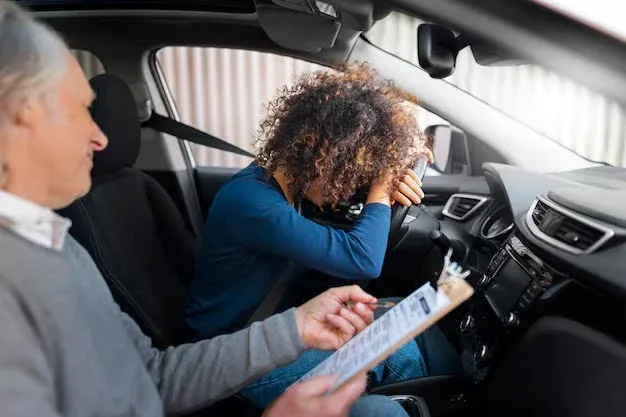
Regardless of the reason, cancellation must be a thought-out decision. You must not simply cease making payments or expect cancellation of the policy automatically. Insurers often need formal cancellation, and failure to do so can mean being charged for a policy you presumed had been canceled. Worse still, it might adversely reflect on your credit or insurance history.
What to Do Before Canceling Your Policy
Before you go ahead with cancellation, some preparatory measures will see to it that you don't incur fines or coverage gaps. To start with, you'll want to get a new policy if you intend to keep driving. This is important because even one day's delay in insurance coverage can result in legal fees and higher premiums in the future.
If you have a financed or leased vehicle, consult with your lender first if you decide to cancel your coverage. Lenders expect continuous full coverage, and canceling your policy unbeknownst to them can violate your financing contract. You can also be required to take more costly lender-paid insurance if they catch you with a lapse in coverage.

It's also wise to go through the terms of your policy. There are some insurance companies that make you pay early cancellation fees or impose a short-rate penalty, which lowers the refund on any unused premium. Being aware of what you can expect will avoid unexpected surprises and allow you to make knowledgeable choices.
The Step-by-Step Process to Cancel Auto Insurance
Auto insurance cancellation is not as simple as making a call. Here's a step-by-step guide to do it correctly:
Step 1: Read Through Your Insurance Policy
Begin by reading the fine print. Record your policy number, renewal dates, and any possible cancellation fees for ending early. Some policies automatically renew, so it's crucial that you cancel well in advance if you don't wish to have another premium period start.
Step 2: Find a Replacement Policy
Before requesting a cancellation, ensure that you already have another policy in effect. Your new insurance should start the same day your old insurance runs out—or preferably, the day prior to prevent lapses. This keeps you legally insured and also preserves an intact insurance history.
Step 3: Inform Your Insurance Company
Call your insurer by phone, email, or online portal, as required by them. Be clear and ask for the cancellation date. A signed cancellation letter or formal one may be requested by some companies. Ask for your cancellation to be confirmed in writing to cover yourself against billing mistakes.

Step 4: Cancel Any Automatic Payments
Once your policy lapses, check your bank account to verify no other automatic payments are going out. If you notice a payment, call your insurer right away with your proof of cancellation.
Step 5: Notify Your DMV (If Required)
In some states, your company will report to the Department of Motor Vehicles (DMV) that your policy has been canceled, particularly if you do not have a replacement policy. In other situations, however, you will need to report to the DMV yourself to prevent penalties like suspension of registration or fines. Make sure to check your state's particular regulations.
What Happens After You Cancel Your Policy
Once you cancel, you may be entitled to a refund, particularly if you prepaid your premium. The refund usually represents the unused amount of your policy term. Your refund may, however, be slightly less if your insurer imposes a short-rate penalty.
Ensure that you also get a cancellation notice or confirmation in writing. Retain this on file for a period of at least one year, should there be a dispute in the future regarding your policy status. In the event of a switch in insurers, provide this proof of previous coverage to your new insurer to assist with your insurance continuity record.
If your policy was linked to a vehicle that’s being sold or scrapped, ensure that the vehicle’s title and registration are handled properly. Depending on your state, this may include surrendering license plates or filing specific documentation with the DMV.
Mistakes to Avoid When Canceling Auto Insurance
The biggest blunder people commit is to cancel their policy prior to the beginning of the new one. A single day without cover can lead to legal issues and make you look high-risk to insurers, thereby hiking future premiums.
Another frequent mistake is the thinking that suspending payments is the same as cancelling. It is not. Your insurance company might denote non-payment as a cancellation due to non-payment, which can hurt your record. This makes it harder to obtain affordable cover later on.
Others tend to forget to inform all stakeholders particularly lienholders or the Department of Motor Vehicles. This leads to force-placed coverage or even suspension of vehicle registration, which will cost both money and time to fix.
When Cancellation Is Not the Best Choice
There are situations when canceling your car insurance is not the best choice. If you are temporarily not driving your car e.g., for vacation or for repairs, suspending your policy or lowering coverage to the minimum allowed might be a better choice. Certain carriers offer a "pause" option, particularly for military deployment or extended travel.
Also, if your policy is part of a bundle with home or renter's coverage, canceling may impact your discounts. It could be a good idea to ask your insurer whether there is an option to keep the bundle with reduced coverage rather than canceling flat out.
Conclusion
Canceling your automobile insurance may not be hard, but doing it right is important. No matter whether you're changing to a different provider, selling your vehicle, or just giving up driving, taking a considered approach can prevent you from incurring legal, financial, and administrative hassles. Always check your policy, take out new cover if necessary, inform all relevant parties, and obtain written proof. These actions ensure a trouble-free, penalty-free switch and prepare you for future insurance requirements.

Published on 16 Sept 2025
Author: Savvital Team